Most individuals first think about first aid after something unsettling occurs, like a choking scare at a family members dinner or a colleague breaking down at sport. That jolt sends them hunting for a course, after that they hit a wall surface of combined messages: do I require a first aid certificate or CPR, is on-line training valid, for how long does it last, and what about lawful threat if I get it incorrect? After two decades instructing first aid and CPR throughout offices, colleges, fitness centers, and neighborhood groups, I can tell you the myths cause more reluctance than the abilities themselves. The basics are simple, training service providers are friendly, and a great first aid course changes how you move via your day. The trick is telling truth from folklore.
Myth 1: "CPR and first aid coincide point"
They overlap, however they are not similar. CPR is a certain capability concentrated on cardiac arrest. You find out just how to evaluate responsiveness, phone call for aid, start breast compressions, deliver rescue breaths if educated and prepared, and use an AED. A CPR course dives deep into that one high-stakes circumstance and first aid course details improves your technique so your compressions are the best deepness and price for a grown-up, child, or infant.
First aid training has a wider extent. It covers main evaluation, bleeding control, choking, shock, asthma flare-ups, anaphylaxis, burns, cracks, strokes, seizures, warm ailment, and more. Basically, CPR is a piece of the first aid pie. If you take a first aid and CPR course, you get both the depth of CPR training and the breadth of first aid, which is why most workplaces request for the combined first aid and CPR certificate.
Where the confusion creeps in: some brief CPR courses are advertised strongly since they are quick and inexpensive. They are beneficial, yet they do not instruct bleeding control, wound care, or just how to take care of a first aid training Rockhampton diabetic person reduced. If your role includes kids, sports, building and construction, friendliness, or caregiving, you likely require a complete first aid course with CPR built in, not CPR alone.
Myth 2: "If I have an AED nearby, I don't need CPR training"
AEDs conserve lives. They are simple to make use of, created to talk you through every step, and completely safe for a lay rescuer. Still, defibrillators do not change CPR. An AED works best when upper body compressions are top quality and near constant. In cardiac arrest, blood circulation quits. CPR keeps oxygen transferring to the mind and heart until a shock can reset the rhythm. Without compressions, each min that passes decreases survival. With compressions, you buy time and multiply the advantage of the AED.
I have seen AEDs pulled from their closets in health clubs and airport terminals, after that rest unopened since the bystanders froze, uncertain when and exactly how to utilize them. Effective saves happen when a person begins compressions quickly, one more individual calls emergency services, and a 3rd person brings and applies the AED within a few minutes. First aid training transforms 3 complete strangers right into a worked with team.
Myth 3: "Online-only programs suffice for a first aid certificate"
Watching video clips and clicking via tests aids you learn actions and vocabulary. However first aid is kinetic. You require to feel where the sternum sits under your hands, how much pressure shears sticky dressings when skin is perspiring, and just how a baby manikin replies to two fingers during compressions. Simply on the internet programs skip that muscle mass memory.
Some regions permit hybrid training, where you full expertise modules online then go to a short useful session for analysis. That functions well if you are limited promptly and the provider runs an appropriate hands-on component with actual feedback. Completely on-line first aid certifications, released without an in-person skills inspect, are frequently denied by companies and insurance firms. Ask prior to you book. A credible supplier will explain what your industry or jurisdiction approves and will arrange you for the suitable practical.
Myth 4: "First aid certificates last for life"
Skills decay. Everyone neglects information, and guidelines do shift as evidence updates. As a rule of thumb, general first aid certificates stand for a couple of years relying on regional requirements, while CPR components normally require revival every 12 months. Why the much shorter CPR window? Compression method, hand placement, and price drift with time. When I run a CPR refresher course, I regularly see individuals start the day at 80 compressions per minute, after that leave at 110 to 120, which is the much safer target range for adults.
If you are a supervisor, compose revival dates into your calendar the day certifications are provided. If you are an individual, goal to refresh in advance of the expiry month. Waiting until your card gaps makes complex office conformity and disrupts your preparedness. A rapid refresher keeps abilities sharp without duplicating full web content from scratch.
Myth 5: "Do-gooder legislations won't secure me if something goes wrong"
The fear of being sued quits people from acting, which is terrible because not doing anything is what prices lives. Many jurisdictions have Do-gooder securities that protect ordinary rescuers that act in good belief, within the scope of their training, and without expectation of payment. These laws are not an empty check. They do not shield gross carelessness or unyielding damage. However if you supply sensible help, telephone call emergency services, and hand over to professionals as soon as they arrive, the legal threat is exceptionally low. In method, suits against spectators for attempting CPR or first aid are vanishingly rare.
Training decreases anxiousness because it gives you a clear script to comply with: check for risk, react, send out for help, open the respiratory tract, begin compressions, use the AED. That organized method is both medically sound and lawfully reasonable. A first aid course likewise instructs you how to document what you did, which includes one more layer of security and professionalism.
Myth 6: "First aid is made complex and just for medical people"
You do not need a medical degree to quit a hemorrhage or utilize an auto-injector. The majority of the lifesaving jobs are easy, especially when taught with realistic circumstances. I bear in mind a secondary school pupil who really felt queasy in the initial hour and prevented touching the bandages. By the afternoon, after experimenting phony blood and moulage on a classmate, she was leading the tourniquet drill and training others with calm guidelines. Confidence expands in minutes when you deal with the devices and run through a scenario.
A strong first aid training service provider will certainly chunk material right into workable pieces, established hands-on method, and repeat until you are smooth. Elegant terminology discolors right into the background. You leave understanding specifically what to do in the first five mins of a clinical situation, which is the window that matters most.
Myth 7: "You just require first aid and CPR if you have children or work with a job website"
Parents and tradespeople see even more injuries, so they frequently appear to classes. Yet heart attack can take place to a commuter on a system, an elderly neighbor in a yard, or a weekend warrior at a park run. Allergies take place in workplaces after a shared lunch. Warm fatigue appears at exterior weddings. I have had students save an unfamiliar person on a plane two weeks after a CPR course, and one more quit a serious hemorrhage with a belt and pressure while waiting on paramedics outside a stadium.
If you live to name a few people, you are statistically most likely to see a first aid scenario before you retire. Educating gets rid of that defenseless feeling and replaces it with a plan. Even if you never use it, the satisfaction deserves the time.
Myth 8: "All first aid courses coincide, so buy the most affordable"
Price issues, yet value matters a lot more. The distinctions show up in course size, teacher experience, devices quality, comments innovation, and realistic look of circumstances. In some courses, one manikin serves twelve people and you exercise compressions for 90 seconds. In better programs, ratios are tighter and you obtain long, trained sets on adult, kid, and infant manikins. Some companies use manikins with feedback screens that show deepness and recoil in genuine time, which sharpens your technique far quicker than spoken signs alone.
Look at just how the course straightens with your need. A hospitality place gain from solid choking monitoring, hemorrhaging control, and burn care. A child care center have to have baby CPR, respiratory tract positioning for smaller composition, and anaphylaxis administration with method on trainer auto-injectors. A sports club needs heat illness acknowledgment, concussion warnings, and splinting practice. If a supplier, such as First Aid Pro in many areas, can tailor circumstances to your environment and incorporates CPR training throughout, you will certainly walk out prepared for the phone calls you are likely to face.
Myth 9: "You can't hurt a person with CPR, so strategy does not matter"
Intent matters, yet so does method. Reliable compressions drive blood to the brain and heart. Ineffective compressions are thrown away initiative. Push too superficial and you do not produce enough perfusion. Push also slow-moving and you shed momentum. Lean on the upper body between compressions rather than permitting complete recoil and you reduced coronary circulation. Good training engrains a consistent rhythm, correct depth, and full release. Anticipate to sweat a little bit throughout practice.
Yes, rib cracks in some cases take place, especially in older adults whose bones are much more fragile. Fractures are an appropriate adverse effects in a life-or-death situation. What you can not accept is stopping since you are bothered with causing damage. A living individual with healing ribs is a success. First aid and CPR training makes that calculus clear and offers you the self-confidence to maintain going up until assistance shows up or the person shows signs of life.
Myth 10: "I did a program years earlier, so I'm fine"
Skills fade faster than pride. When I run a CPR correspondence course, veteran holders of a first aid certificate routinely miss out on action in the key study or default to obsolete guidance they discovered a years earlier. As an example, compression-only CPR is currently widely accepted for untrained rescuers, and AED use has ended up being a lot more streamlined. Anaphylaxis protocols and asthma action plans likewise update regularly based upon medicine adjustments. If your last first aid training precedes your present phone, placed a refresher course on your to-do list.
The excellent news: refresher courses are effective. You already understand the shape of the skills, so the session has to do with fine-tuning and lining up with present criteria. Those sessions are where many individuals lastly repair their hand positioning or discover to change rescuers without shedding rhythm.

What employers and planners get wrong about compliance
In offices, the most common failure is counting certificates instead of determining insurance coverage. Having actually three individuals certified on paper implies absolutely nothing if 2 job graveyard shift and one is on leave. Actual preparedness originates from mapping coverage against rosters, floor plans, and known cpr Subiaco risks. A building and construction website with hot jobs and a huge footprint requires much more very first aiders and extra tools caches compared with a peaceful workplace on one level.
Another error is storing packages like museum pieces. I see injury pads expiring on racks, vacant oxygen cyndrical tubes, and AED pads that are incompatible with the tool. A first aid course will cover kit upkeep briefly, but the routine has to be internal. Establish a quarterly check, appoint responsibility, and log each examination with dates and signatures. Run a ten-minute drill twice a year where somebody need to fetch the package and AED from wherever they live and reach a named place within an established time. You will certainly find locked cabinets or obstructed passages long before a genuine emergency situation does.
What counts as a top quality first aid and CPR course
You desire guideline that treats you like an adult and challenges you just sufficient to learn without being overwhelmed. Effective programs share a few concrete elements:
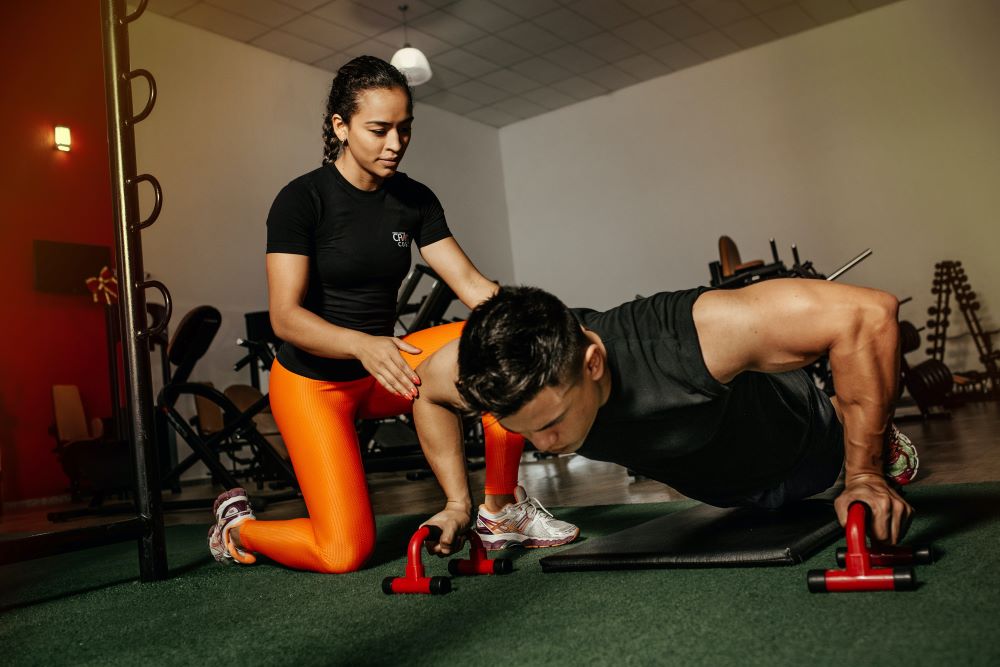
- Small group method on grown-up, kid, and infant manikins with real-time feedback and instructor correction Scenario-based understanding that matches your context, such as burns for cooking areas or spine precautions for sport Clear, present assistance tied to identified guidelines, not mythology or scare stories Assessment that feels like a dress rehearsal for real occasions, not a memory test Practical time with typical devices, including AEDs, epi-pen trainers, asthma spacers, and tourniquets
Talk to the provider prior to scheduling. Ask what manikin-to-student proportions they utilize, whether they offer blended knowing if you require it, and exactly how they customize circumstances. Reputable organizations, consisting of First Aid Pro and comparable regional companies, will answer promptly and especially, not with obscure advertising and marketing lines.
The tug-of-war in between concept and realism
Textbook series issue because they function under pressure. Truth, however, is untidy. Photo a cramped café with a faint scent of gas, a person dropped between chairs, and alarms from a neighboring truck yard. You require the clean algorithm from class, after that approval to adapt. Possibly you drag the casualty a brief range to fresh air before pouring interest right into the airway. Probably you reduced a tee shirt due to the fact that drawing it off will take too long. Training needs to explicitly provide you that flexibility so you do not freeze when problems deviate from the whiteboard version.
I style situations to force decisions: 2 casualties with one package, a kid seeing a parent collapse, a language obstacle with a panicking onlooker. People find out that excellent is uncommon and good enough, quick, beats ideal, sluggish. That lesson sticks.
Equipment misconceptions that squander money
The web lures people into acquiring flashy devices they will never make use of under stress and anxiety. Tactical tourniquets are effective, yet only if you have actually exercised with them on arm or legs of various sizes and know when to like straight stress or hemostatic dressings. Upper body seals, nasal respiratory tracts, and decompression needles fall far outside the extent of a typical first aid course and can trigger injury if applied by untrained hands.
Invest first in well-stocked, familiar sets and see to it everybody recognizes where they live. If your risk profile warrants innovative devices, upgrade your training too. For the majority of neighborhood and work environment settings, the fundamentals win: handwear covers, bandages, dressings, triangular bandages, a room blanket, saline, melt gel, sticky tape, blunt scissors, a pocket mask, and an AED with spare pads. An organized package that you can navigate by feeling defeats a tactical bag you only opened up once.
How long does genuine preparedness take to build?
With a concentrated eight-hour first aid and CPR course, many people go from hesitant to skilled. You will certainly not feel like a paramedic, and you don't require to. What matters is your capability to lead the first five mins: make the scene secure, call for assistance, start core interventions, and turn over cleanly when specialists arrive. Include a two-hour CPR correspondence course yearly and the curve remains high. If your workplace runs quick drills every quarter, preparedness becomes 2nd nature.
Two or 3 hours suffices to update an accomplice on certain risks, like anaphylaxis after an incident in the canteen or warmth management prior to a summertime season of outdoor occasions. Stack these micro-sessions on top of your standard first aid certificate and watch self-confidence rise.
A fast truth check for your current status
Use this to evaluate where you stand and what to do next.
- Do you recognize the difference in between cardiac arrest and a cardiovascular disease, and what to do for each? Can you find your nearby AED right now, and do you understand exactly how to open up the cabinet? When does your first aid certificate expire, and do you have a CPR correspondence course arranged within the following 12 months? If a coworker choked at lunch, could you cycle via back strikes and abdominal drives confidently? Who is in charge of kit checks where you function, and when was the last log signed?
If you waited on greater than one, publication a course or a refresher course and established calendar pointers for kit checks. That little burst of admin repays greatly the day you require it.
Picking the ideal path: course types without the sales pitch
A standalone CPR course is excellent if you already hold a present first aid certificate and intend to develop compressions, experiment an AED, and evaluation choking administration in a compact home window. It is also a fit for functions where heart attack is the major issue, such as fitness specialists that already have injury methods through various other channels.
An incorporated first aid and CPR course is the criterion for most work environments. It covers the clinical and injury essentials, runs hands-on situations, and consists of CPR training with evaluation. If you are new to training or it has actually been greater than 2 years, this route offers you complete coverage.
A CPR refresher course is a short, focused session, commonly 2 to 3 hours, that reviews compressions, airway, AED, and choking with upgraded guidance and efficiency responses. Many employers set up these each year to keep skills fresh without taking a full day out of operations.
Whichever you select, search for providers that publish clear details, make use of recognized guidelines, and offer functional assessment. Read reviews that state hands-on time and instructor assistance, not simply certificates issued.

Why the myths keep persisting, and how to detect them early
Myths linger since they are tidy, soothing, or economical. It is easier to believe an AED can fix everything or that an on the internet test amounts to readiness. Marketing magnifies shortcuts, and individuals duplicate what they heard years back without inspecting if requirements changed. To filter sound, ask 3 concerns each time you hear a claim regarding first aid training or certificates:
- Does this align with released assistance from an acknowledged body in my region? Does it make practical sense under stress and anxiety, in a loud, jampacked, incomplete environment? Would I be comfortable defending this choice to a paramedic at handover?
If the solution to any one of those is no, look for a much better resource or call a training company and inquire to stroll you through the details. The great ones will gladly do so, and you will discover something valuable in the conversation.
The payoff no one talks about
People anticipate to discover methods. What surprises them is how self-confidence splashes right into daily life. After a solid first aid and CPR course, you discover departures when you get in a venue, you clock where the AED hangs at the shopping mall, and you keep an eye on the person coughing at the next table enough time to understand they are fine. That silent situational recognition makes you calmer, and calm is contagious during a crisis.
The 2nd unanticipated payback is team communication. When groups train together, they discover each other's default functions. A single person is fast on the phone with emergency situation services, another takes care of spectators, a third has consistent hands with equipment. When an event takes place, those patterns snap into location without conversation. Work environments that commit to first aid training typically report much better control on non-medical problems because the practice of clear duties and crisp handovers sticks.
Practical actions to move from misconceptions to mastery
Start by mapping your real risk. Home with children, a workshop with power tools, a website with elevations, or an office near a busy intersection all present different profiles. Pick a first aid course that matches, with CPR training included. If budgets are tight, stage your training mate over two months so coverage never ever drops. Establish schedule pointers for certification revivals and set audits. Select a service provider with a clear procedure for a CPR correspondence course annually. Ultimately, run one five-minute drill per quarter. It costs virtually absolutely nothing and does much more for readiness than an email with a PDF ever will.
You can not predict when you will certainly require these skills. You can select just how ready you will certainly be when the call comes. Remove the myths, pick practical training, and practice enough that your hands remember what to do while your brain catches up. That is the genuine promise of a first aid certificate, and it is quite within reach.